Creating a relaxing home office environment can make a significant difference in your productivity and overall well-being. Whether you’re new to remote work or have been working from home for some time, designing a space that feels calm and inviting can help reduce stress and improve focus. Here are practical tips to transform your home office into a peaceful retreat that supports your professional needs.
Choose the Right Location
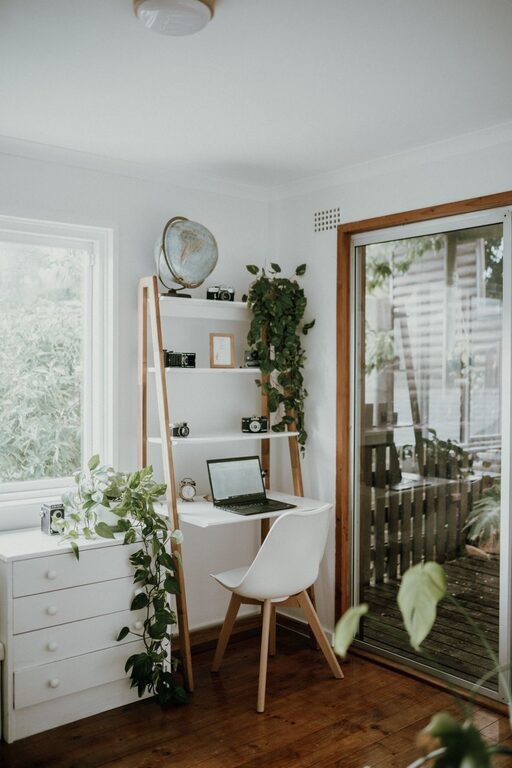
Your home office location sets the tone for your daily work routine. Ideally, select a quiet spot away from high-traffic areas like the kitchen or living room. If possible, pick a room with a door you can close to minimize distractions. Natural light is a major plus, so a spot near a window can brighten your space and boost your mood.
Consider Your Commute Space
Even in a home setting, having a designated “commute” time and space helps create boundaries between work and home life. Choose a location where you can “arrive” and “leave” mentally—this can prevent burnout and improve work-life balance.
Invest in Comfortable Furniture
Comfort is key for long hours at your desk. Invest in an ergonomic chair that supports your posture and reduces fatigue. Your desk should be at a height where your arms rest comfortably while typing and your feet can rest flat on the floor or on a footrest.
Work Surface and Storage
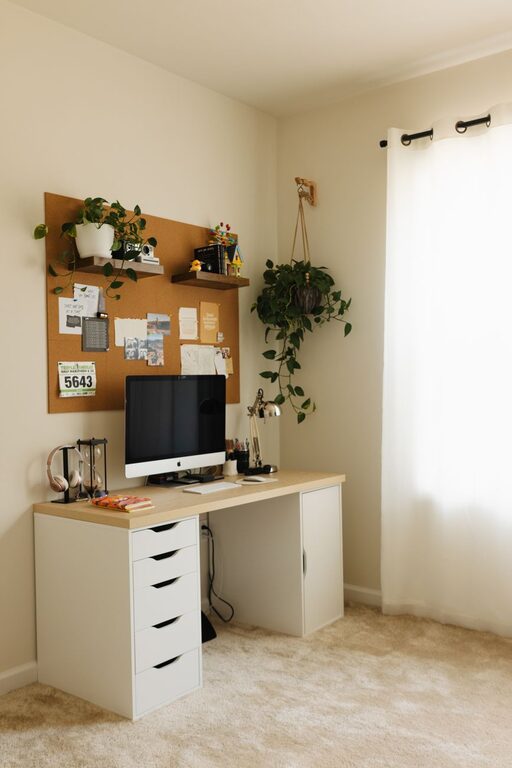
Choose a desk size that fits your needs without feeling cramped or overwhelming. Keep essential items within reach, and use storage solutions like shelves, drawers, or organizers to maintain a clutter-free surface. A tidy desk promotes a calm mind.
Personalize Your Space with Calming Elements
Adding personal touches can make your office feel inviting and reduce stress. Consider:
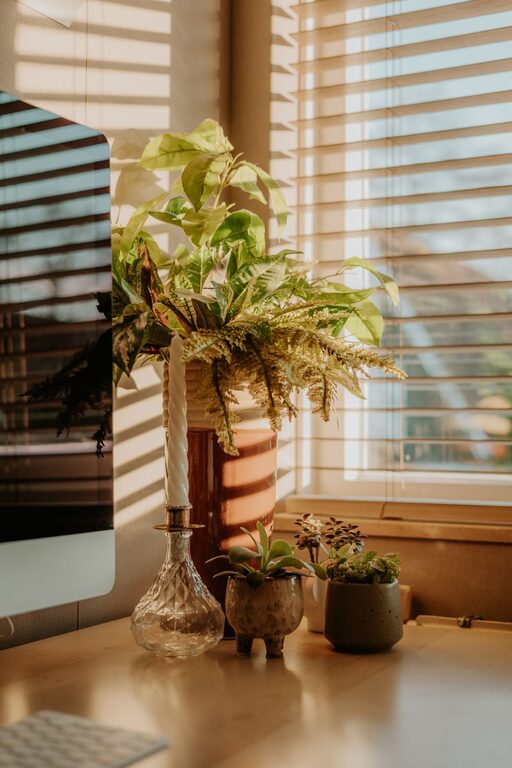
– Plants: Greenery adds life to a room and can improve air quality. Easy-care options like succulents or peace lilies are great for beginners.
– Artwork: Select images or prints that inspire or relax you, such as nature scenes or abstract designs in soothing colors.
– Color Palette: Soft, neutral colors like light blues, greens, or warm beige can create a calming atmosphere. Avoid overly bright or harsh colors that may cause distraction.
Manage Lighting for Comfort and Productivity
Proper lighting reduces eye strain and supports productivity. Mix natural light with adjustable artificial lighting. Consider:
– Desk lamps: Adjustable lamps with warm light offer focused illumination.
– Overhead lighting: Choose soft, diffused lighting rather than harsh fluorescent bulbs.
– Window treatments: Use blinds or curtains to control natural light and glare.
Organize to Reduce Clutter and Distractions
A cluttered workspace can lead to stress and decreased focus. Organize your office to keep everything in its place.
– Use cable management tools to keep cords tidy.
– Sort paperwork regularly and use filing systems.
– Limit decorative items to avoid visual clutter.
– Keep digital files organized with clear folder structures and regular cleanups.
Incorporate Soothing Sounds
Background sounds can help some people concentrate and feel relaxed. Consider:
– White noise machines or apps to mask distracting household noises.
– Soft instrumental music to create a pleasant ambiance.
– Avoid loud or overly dynamic music that can interrupt your focus.
Create a Routine for Breaks and Movement
In a relaxing office environment, it’s essential to take regular breaks to rest your eyes and stretch your body. Set timers to remind yourself to stand, walk, or stretch every hour. Adding a small yoga mat or stretch area near your desk can encourage movement.
Keep Air Fresh and Maintain Good Ventilation
Good air quality contributes to comfort and concentration. Open windows when possible to allow fresh air in. Consider air purifiers if your environment tends to be stale or dusty.
Set Clear Boundaries and Signals
To maintain a relaxing work environment, it helps to set boundaries with household members. Use visual cues like a “do not disturb” sign or closing the door during focused work periods. Communicating your schedule can minimize interruptions.
—
Creating a relaxing home office environment doesn’t require a major overhaul. Small, thoughtful changes can lead to a more comfortable, productive, and enjoyable workspace. By choosing the right location, investing in comfort, managing light and sound, and keeping the space tidy and personal, you’ll set yourself up for success each day. Remember to adapt these tips to what works best for you and your unique space.