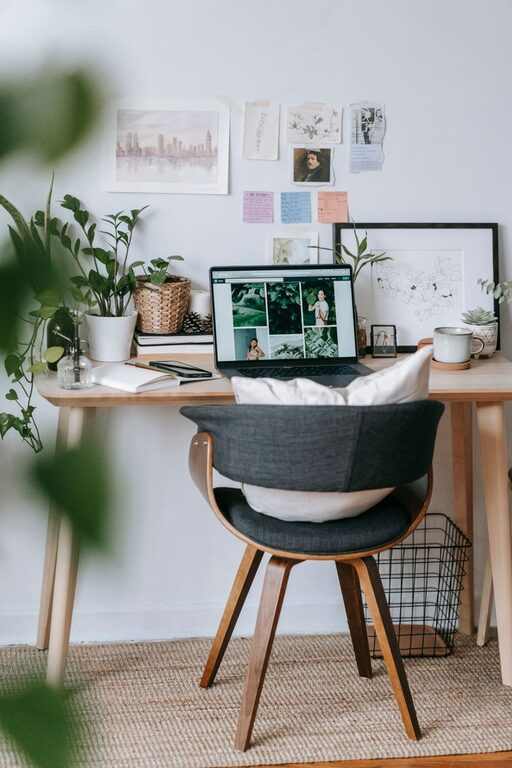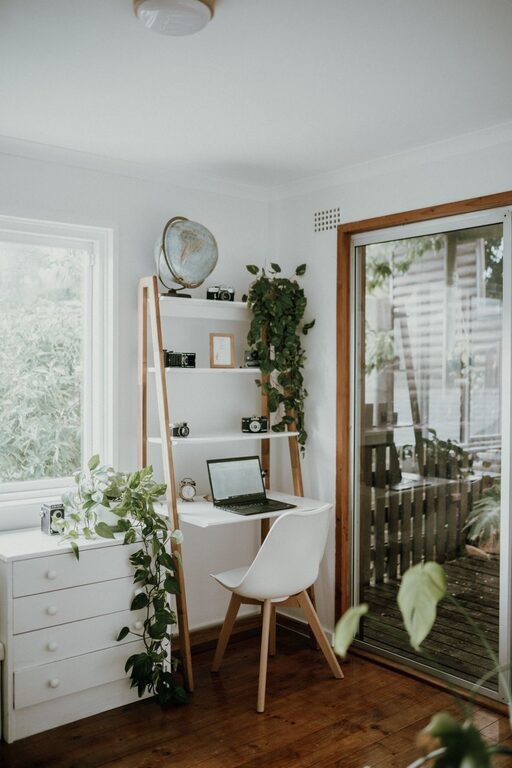
Creating a relaxing home workspace is essential for anyone who spends significant time working from home. A well-designed area can improve your concentration, reduce stress, and make work feel less like a chore. This guide will help you transform your workspace into a peaceful, productive environment.
Why a Relaxing Workspace Matters
Your workspace influences how you feel and perform. When your environment is cluttered or uncomfortable, it can lead to distraction, fatigue, and frustration. On the other hand, a calm, inviting workspace can boost your mood and efficiency, helping you complete tasks more smoothly.
Choosing the Right Location
Start by selecting a quiet and comfortable spot in your home. Ideally:
– Pick an area with natural light to support alertness.
– Avoid high-traffic zones to minimize noise and interruptions.
– Ensure there’s enough space for your desk, chair, and storage.
If you can’t dedicate a full room, a corner with a small desk can work well.
Invest in Comfortable Furniture
Comfort is key when you spend hours working. Consider:
– An ergonomic chair with good lumbar support.
– A desk at a height where your elbows rest comfortably at a 90-degree angle.
– Consider a sit-stand desk to change positions during the day.
Test furniture before buying, if possible, or read reviews to find options that balance comfort and durability.
Organize for Clarity and Efficiency
Clutter can disrupt your focus. Keep your workspace tidy by:
– Using storage bins, shelves, or drawers to store supplies.
– Limiting items on your desk to essentials.
– Regularly clearing away papers or materials you no longer need.
Organizing not only looks better but saves time when you don’t have to search for things.
Customize Your Lighting
Proper lighting reduces eye strain and creates a pleasant atmosphere.
– Use a mix of natural light and task lighting.
– Position your desk near a window, but avoid direct glare.
– Add a desk lamp with adjustable brightness.
Warm white lights are often more relaxing than harsh blue tones.
Add Personal, Soothing Touches
Personalizing your workspace can make it more inviting and reduce stress. Some ideas include:
– Adding plants, which improve air quality and bring nature indoors.
– Displaying inspiring artwork or photos.
– Using calming colors like soft blues, greens, or neutrals on walls or decor.
Keep decorations minimal to avoid distractions.
Minimize Noise Distractions
Noise can be one of the biggest hurdles for home productivity. To keep your space quiet:
– Use noise-canceling headphones or a white noise machine.
– Consider rugs and curtains to absorb sound.
– Close doors or use a room divider to separate your workspace from noisy areas.
Experiment with what sound environment helps you focus best.
Establish a Routine and Boundaries
A relaxing workspace supports a clear work routine. To maintain focus:
– Set regular working hours.
– Communicate your schedule with family or housemates.
– Take short breaks to stretch and refresh your mind.
Creating boundaries helps separate work time from personal time, even when you’re at home.
Keep Technology Organized and Updated
Technology is essential but can clutter or slow you down.
– Manage cable clutter with clips or covers.
– Keep devices charged and software updated.
– Position screens to reduce glare and neck strain.
Using efficient technology helps maintain a smooth workflow and keeps frustrations low.
Maintain a Fresh and Pleasant Environment
A clean and fresh space positively impacts your mood.
– Open windows regularly for fresh air.
– Use subtle air fresheners or essential oils like lavender or eucalyptus.
– Clean your workspace weekly to prevent dust buildup.
A fresh environment supports comfort and well-being.
—
By thoughtfully designing your home workspace to be relaxing and functional, you set yourself up for better productivity and comfort every day. With a few simple changes, your work area can become a favorite spot where focus and calm coexist. Start small, and gradually build your ideal workspace tailored to your needs.